



Since 1958
Our Expertise
Our manufacturing takes place exclusively in the South of France,
in a single workshop in Aigues-Vives, between Nîmes and Montpellier.

Our exceptional expertise, honed since 1958, has earned us the "Entreprise du Patrimoine Vivant" (Living Heritage Company) label.
This label is a mark of recognition from the French State, rewarding companies for the excellence of their traditional craftsmanship.
Selection
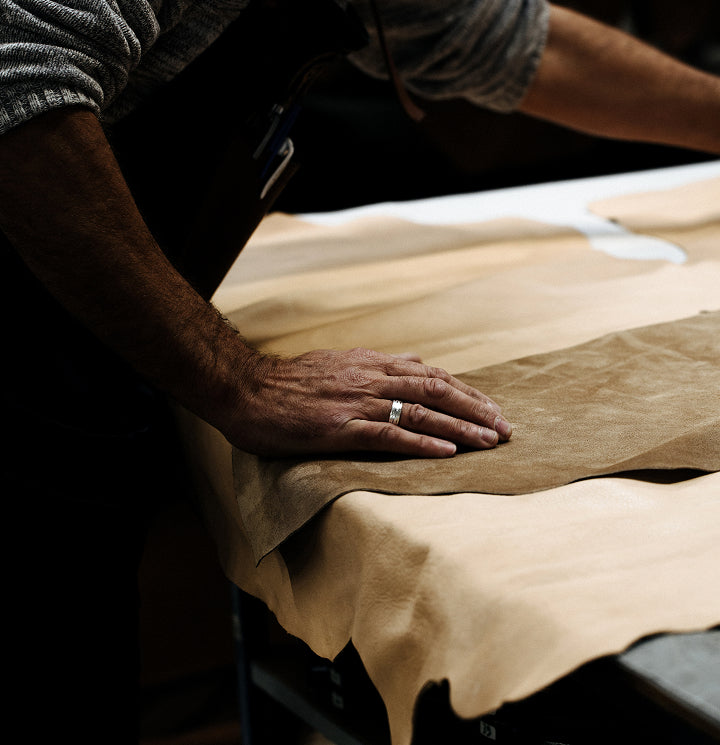
OUR EXCEPTIONAL LEATHERS
We take great care in selecting our leathers because the quality of our products depends on the quality of the hides. This requirement naturally leads us to work with the biggest French tanners. However, if products have no equivalent in France, in terms of quality or appearance, we also work with the best European tanners, mainly Italian. This pursuit of excellence goes hand in hand with a value that is dear to us: environmental preservation. La Botte Gardiane uses suppliers for whom the notion of sustainable development is paramount. A symbiosis between traditional facilities and modern tools allows these tanners and sole plate manufacturers to comply with European environmental standards.
This leather, which has no equivalent in France, comes from a Spanish tannery. This 2.6 mm thick bovine split leather is nourished with wax to increase its waterproofing. The waxed butt is mainly intended for boots worn by equestrian professionals: they appreciate the rustic appearance of this leather and its ease of maintenance with the grease they also use for their equipment.
This very thick leather (2.8mm) was originally produced by a French tannery: BSC, which recently closed down, much to our regret. However, we found an equivalent leather at an Italian tannery, Capital, that possesses all the characteristics of the original Camargue Croupon. This leather was initially primarily intended for the use of gardians (cowboys of the Camargue). It was designed for practicality: smooth full-grain on the inside for easy on and off, flesh side on the outside, durable against the outdoor environment, and easy to maintain.
The traditional Camargue boot is made from this leather. This light-colored leather will develop a patina over time; you can also grease it to darken it and improve its waterproofing.
Again, this type of leather has no equivalent in France, so we source it from an Italian producer who is a master in tanning genuine hair-on hides.
This leather is emblematic of our history, as we have been using it since the brand's creation. Suportlo, literally "that which supports water", is an exceptional leather made by one of the most famous French tanners based in Alsace.
This leather has been re-tanned with hot grease using the same process for 6 generations. This particular tanning method gives the leather great suppleness: the leather hardens very little over time, which prevents it from cracking. This tanner exclusively uses Aveyron calfskin; it is the only one that allows such a thickness to be obtained. This significant thickness prevents the leather from sagging on top and prevents the straps from stretching too much.
Hot grease tanning gives the leather great suppleness and an incomparable luster. The calfskin develops a patina over time without ever hardening.
This same leather is used by the greatest French leather goods manufacturers and is renowned for its hypoallergenic qualities (it is used, for example, to line the straps of certain Swiss watches...).
La Botte Gardiane uses thick leathers (from 2.4 to 2.6 mm) for its boots and ankle boots. The use of such thick leathers allows us to avoid lining our shoes; it is important to know that linings are glued with latex glues that form an impermeable film and prevent the leather from breathing. Our shoe, designed in this way, is waterproof on the outside but permeable on the inside, thus allowing perspiration to escape.
This leather, obtained from a very specific tanning process mastered by an Italian tanner (who has no equivalent in France), allows for the creation of this ultra-realistic python imitation pattern, using calfskins.
Metallic leathers (non-sequined) are produced by a renowned French tanner who also works with the biggest names in luxury. He specializes in tanning smooth, metallic goat and calf leathers. These finishes with their exceptional rendering allow for any daring design.
Hydrocalf comes from the same French tannery. This leather is characterized by its suppleness, the fineness of its grain, an exceptional tactile quality, and very good water resistance (hence its name, hydrocalf). It is a full natural calfskin, supple, soft, and silky. An anti-stain treatment ensures it ages very well over time.
Tanning is crucial to the quality of leather. There are two tanning methods: mineral tanning (with chrome) and vegetable tanning, which is done with plant extracts.
The advantage of chrome tanning is its speed: less than 24 hours compared to a minimum of 1 month for vegetable tanning, and the versatility of the tanning process: leathers tanned with chrome can be very thin, become very supple; many colors are possible... so they can be used in almost all areas (shoes, leather goods, automotive...). This tanning method has therefore become predominant in the leather industry. Chrome-based tanning characterizes 99% of shoe leathers. To learn more about chrome tanning, here is an article published in the CTC (Centre Technique du Cuir) magazine on the subject.
The disadvantages are water pollution with chromium metal (even if European tanneries are all equipped with effective wastewater treatment plants) and the risk of allergies: The chromium in the version used in tanneries (chromium III) is completely harmless. It is chromium VI, which appears when tanning is poorly controlled, that is allergenic and an aggravating factor for mycoses and detrimental to foot hygiene.
La Botte Gardiane offers a wide range of models in 100% vegetable-tanned leathers guaranteed chrome-free (supplied by a reputable Italian tanner except for our Camargue calfskin vegetable leather for uppers, which is supplied by Masure tannery), ensuring perfect foot hygiene and comfort. This type of leather is particularly aimed at people allergic to chrome salts but also, and above all, at nature lovers.
Vegetable tanning is done using tannins (hence the origin of the word tanning) extracted from trees such as oak, chestnut, quebracho, mimosa, or acacia. This rather long method (up to 18 months of baths) led tanners to say: "to have good leather, you need tan and time." This process uses only plant extracts; it is non-polluting but uses a much larger quantity of water. It's difficult to reconcile everything. By using our shoes made with vegetable-tanned leather, you will therefore have ecological and healthy products, entirely manufactured in France, in our workshop, located at the gates of the Camargue (between Nîmes and Montpellier).
Concerned about the environment, La Botte Gardiane works with suppliers for whom the notion of sustainable development is at the heart of their philosophy. A symbiosis between traditional installations and modern tools allows these tanners and sole plate manufacturers to comply with European environmental standards. La Botte Gardiane adheres to the ECO-TLC organization responsible for managing the collection and end-of-life of products. The objective is to preserve natural resources and reduce waste.
Our suede calf leathers are manufactured by a renowned Italian tannery specializing in suede. All these leathers are treated to prevent color bleeding, ensuring perfect color retention and avoiding any contamination of textiles that may come into contact with the leather (trousers, dresses, etc.). This tannery also works with the biggest names in luxury. It carefully selects its raw materials, which guarantees a high-quality finished product, in compliance with CEE/REACH standards. The suede calf leathers from this tannery are characterized by a nap that is neither too long nor too coarse, giving it a soft and supple feel.
OUR SOLES
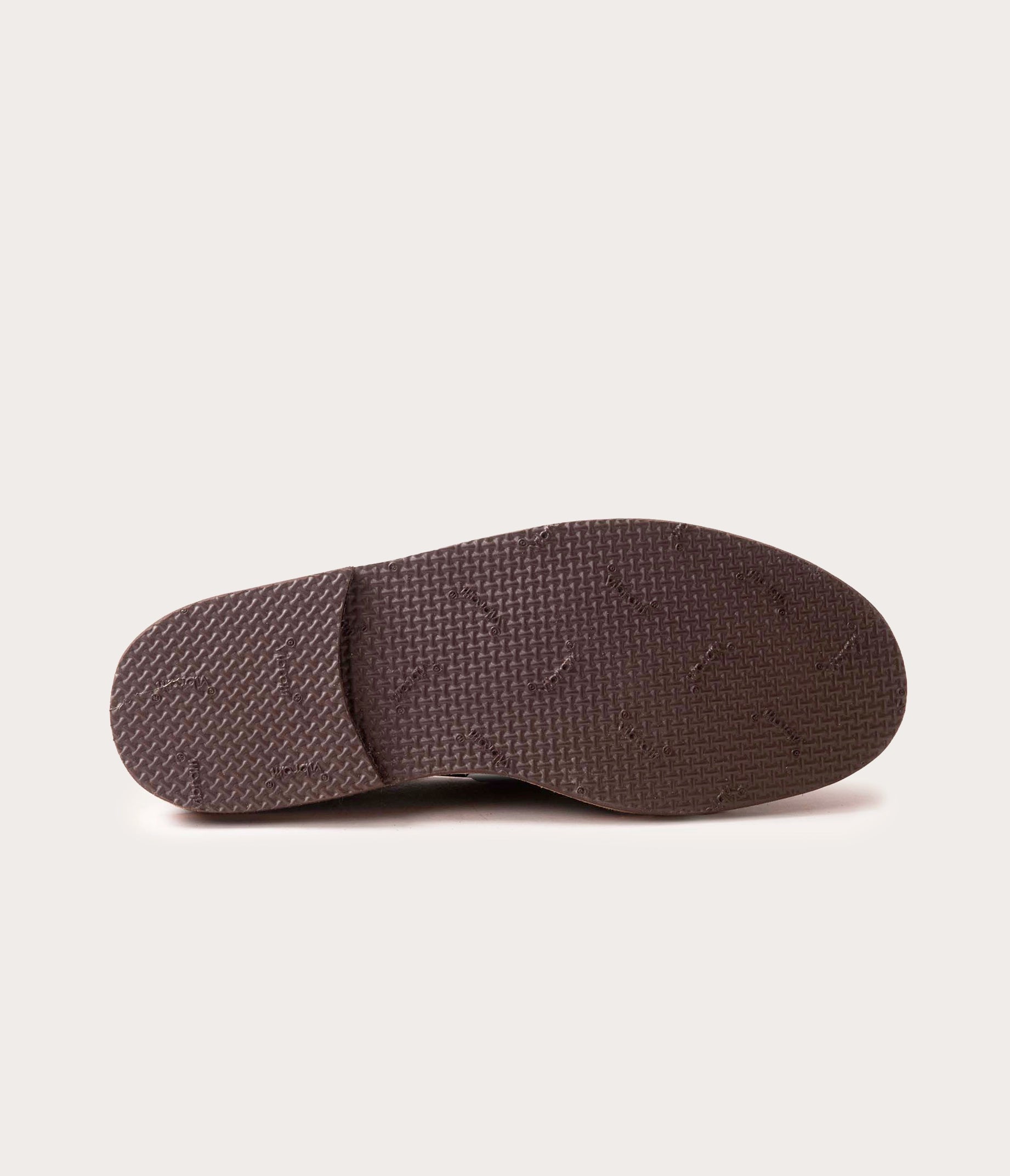
Dark Flex
Very lightweight, it offers great walking comfort, excellent abrasion resistance, and shock absorption.
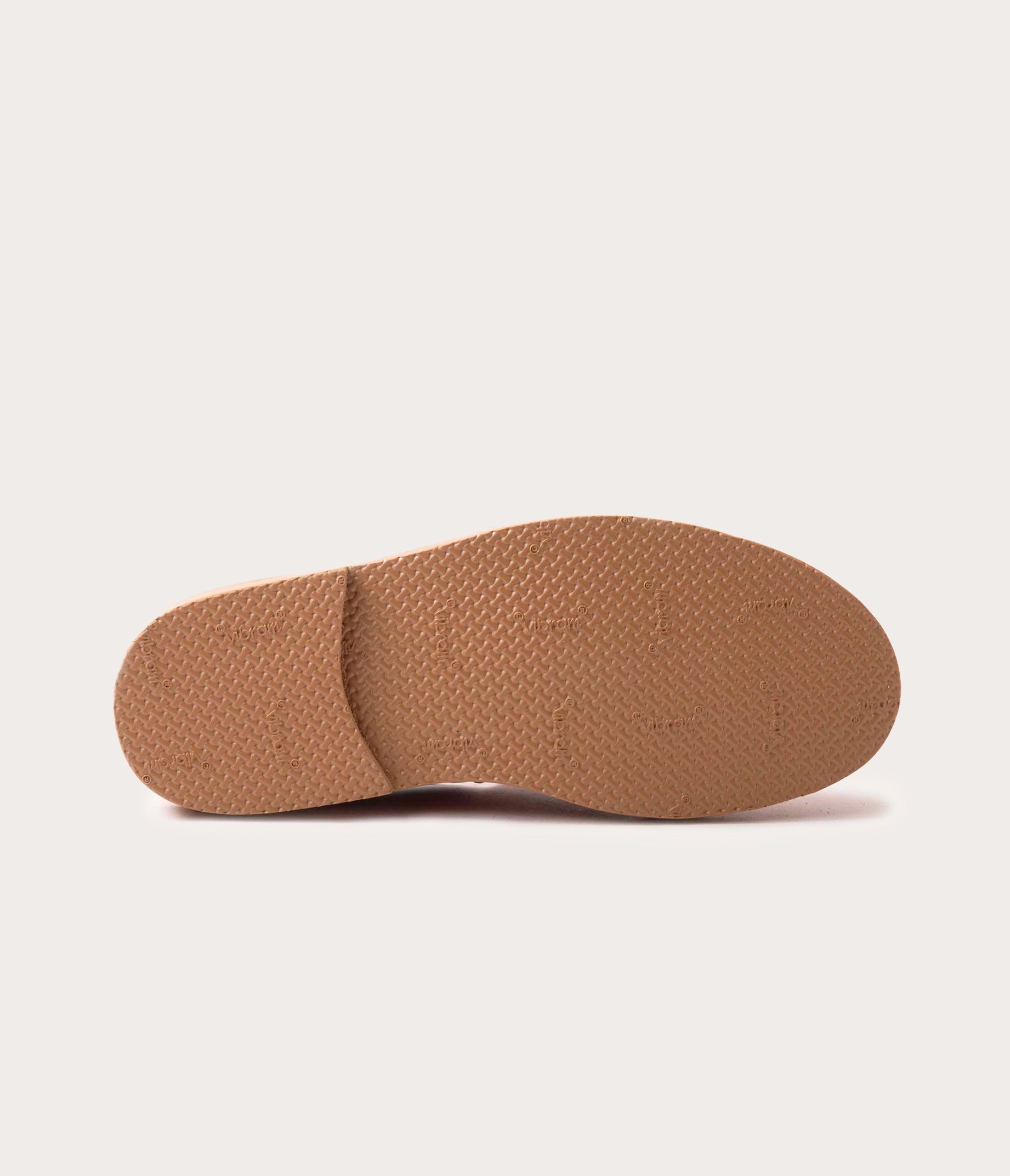
Clear Flex
Extremely lightweight, it offers great walking comfort, excellent abrasion resistance, and shock absorption.
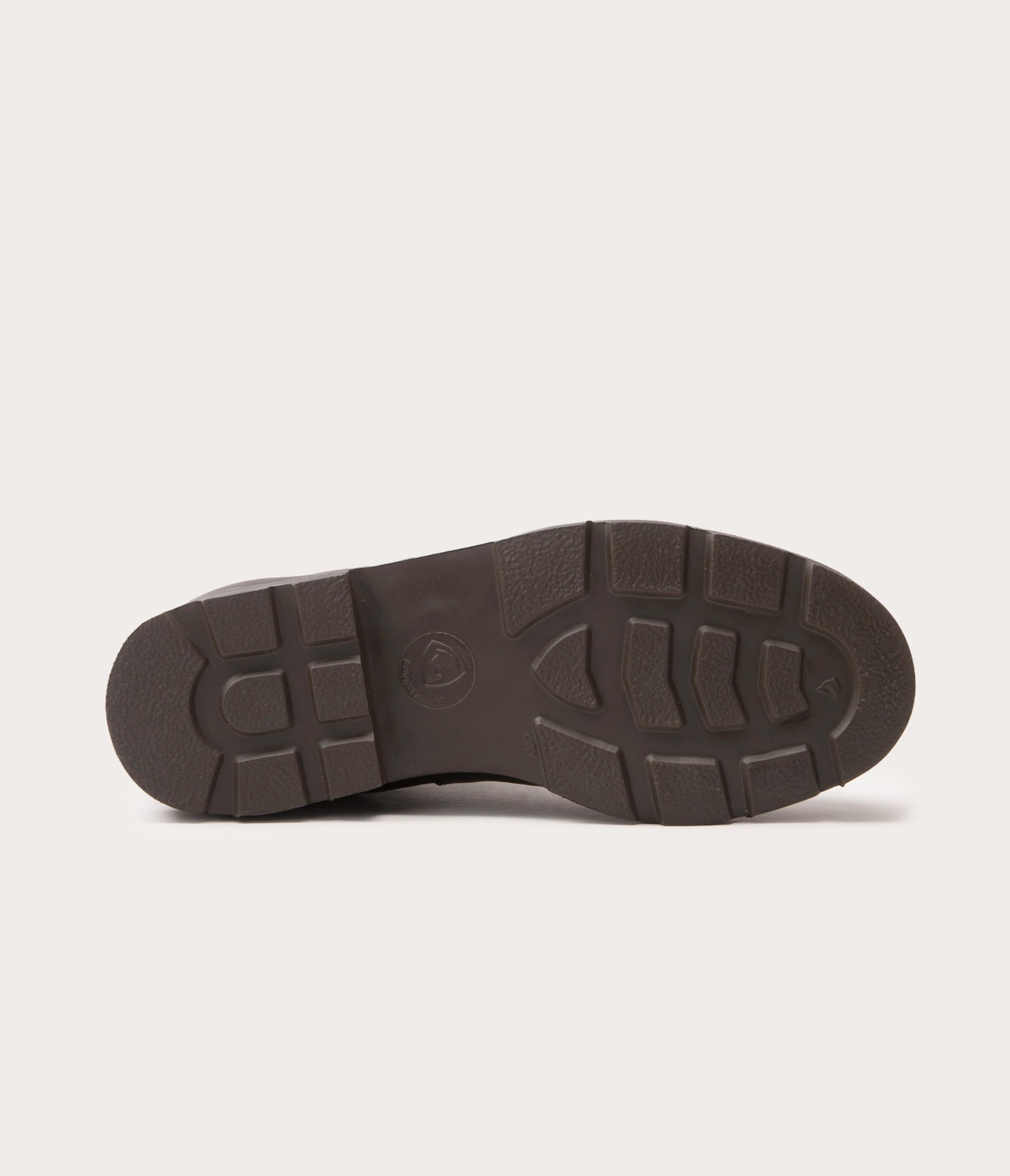
Rubber
100% natural, it combines comfort, lightness, grip, flexibility and excellent resistance to tearing and wear.
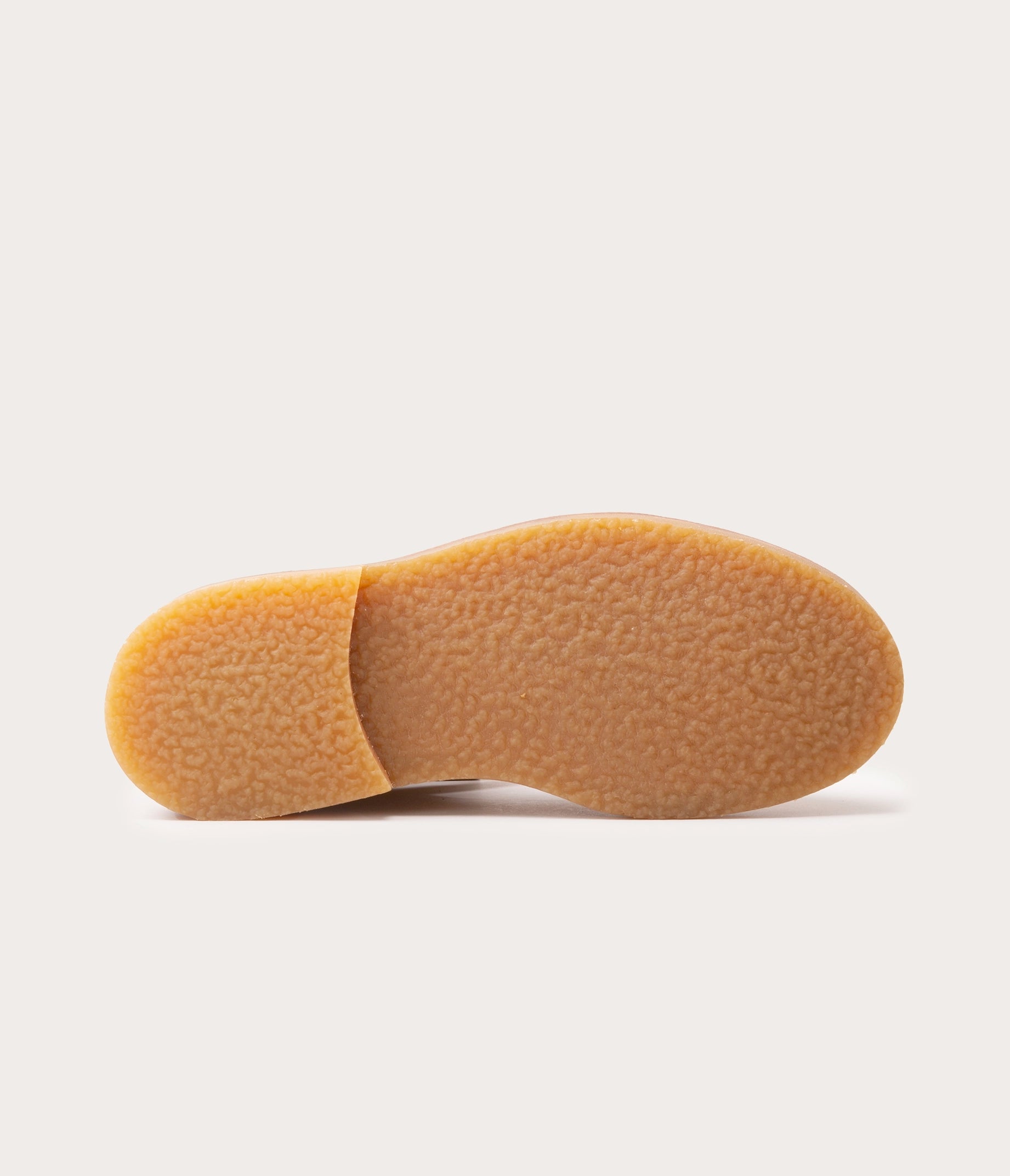
Eraser
It has excellent properties: ecological, good abrasion resistance, very elastic and flexible, waterproof, and finally, unalterable upon contact with acidic, alkaline, and saline substances.
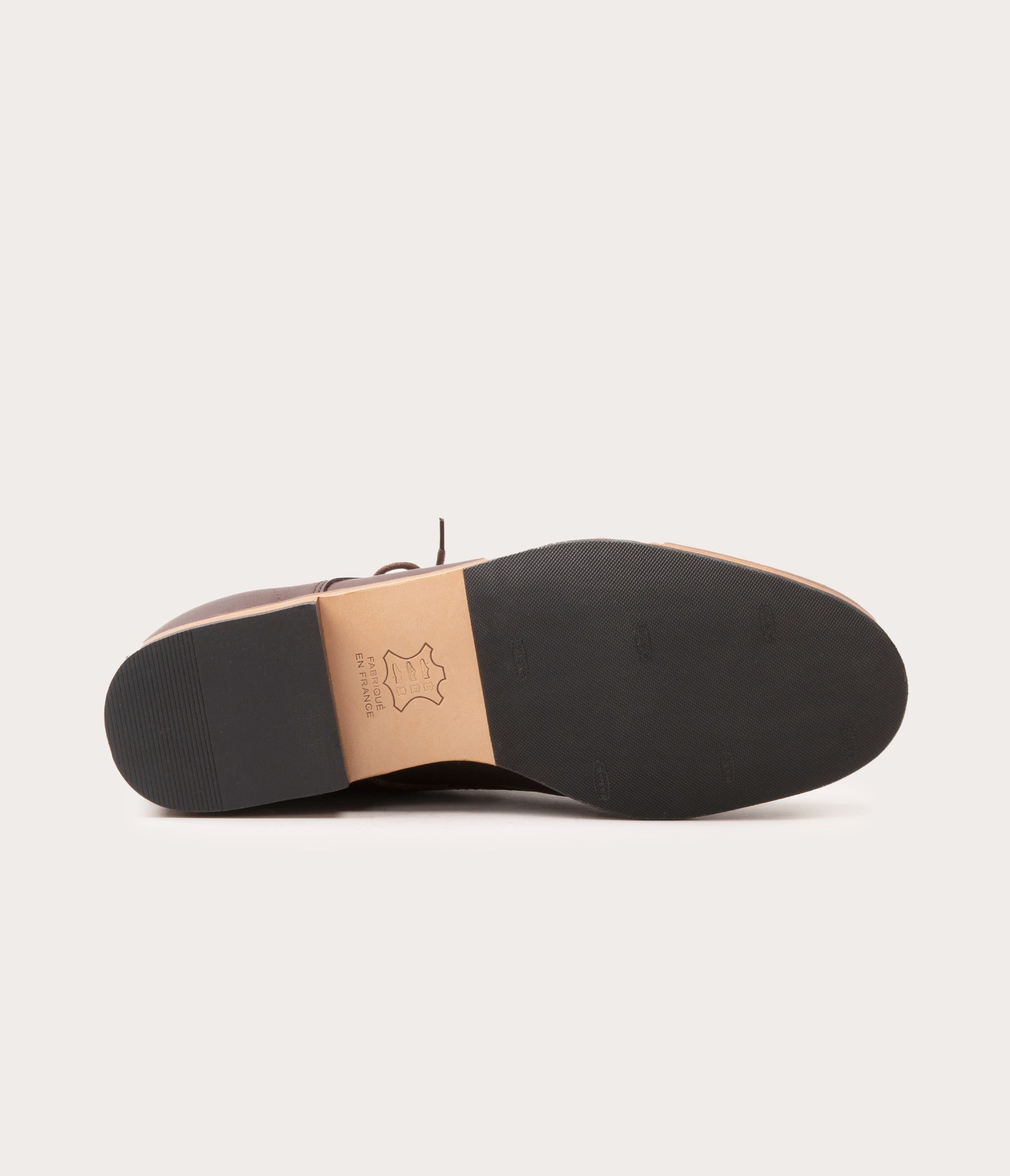
Black Leather & Skates
Ideal for protecting your leather soles and preventing slipping.
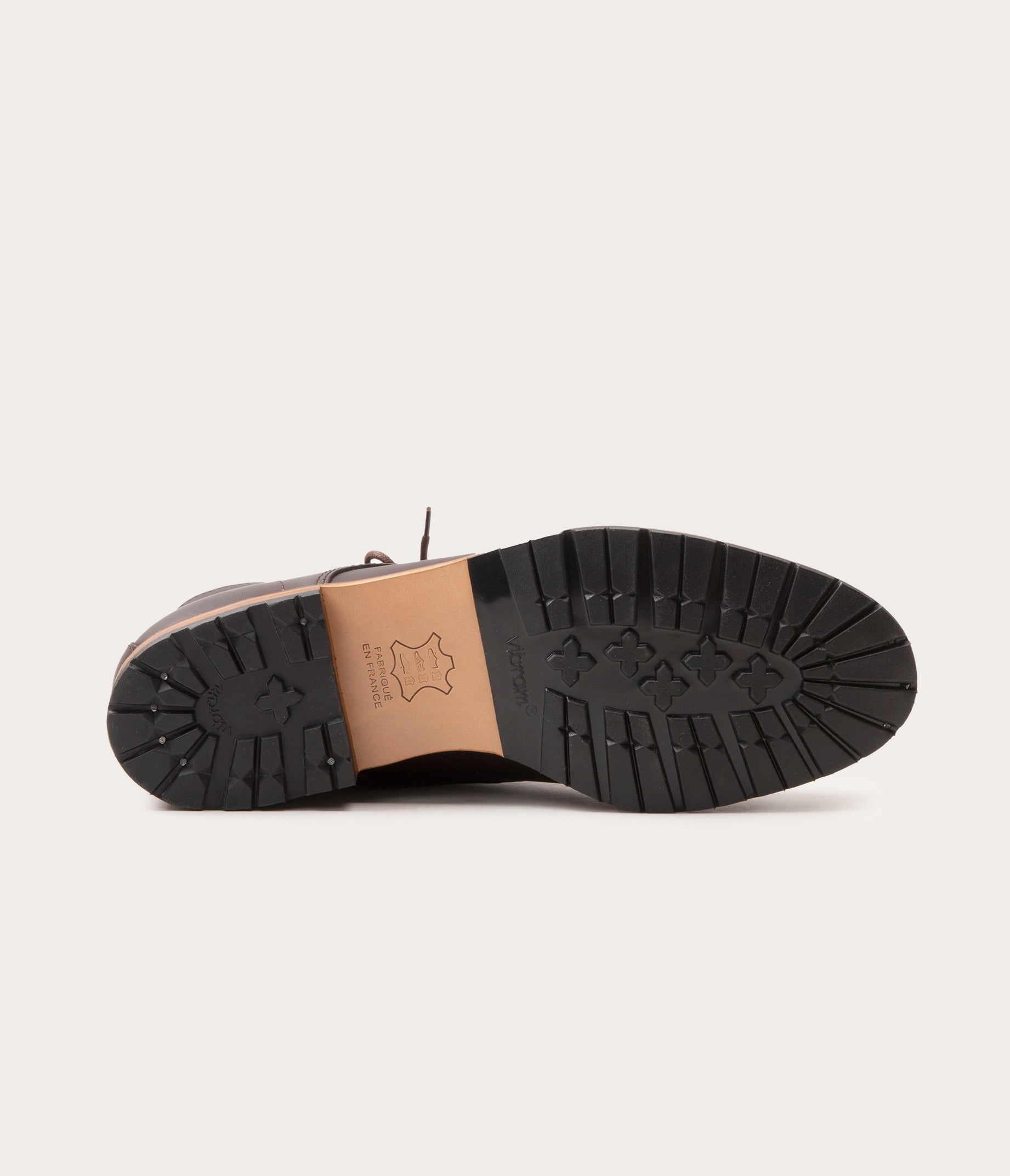
Leather & Lug soles
Get better grip than with classic heel tips,
while preserving your leather soles.
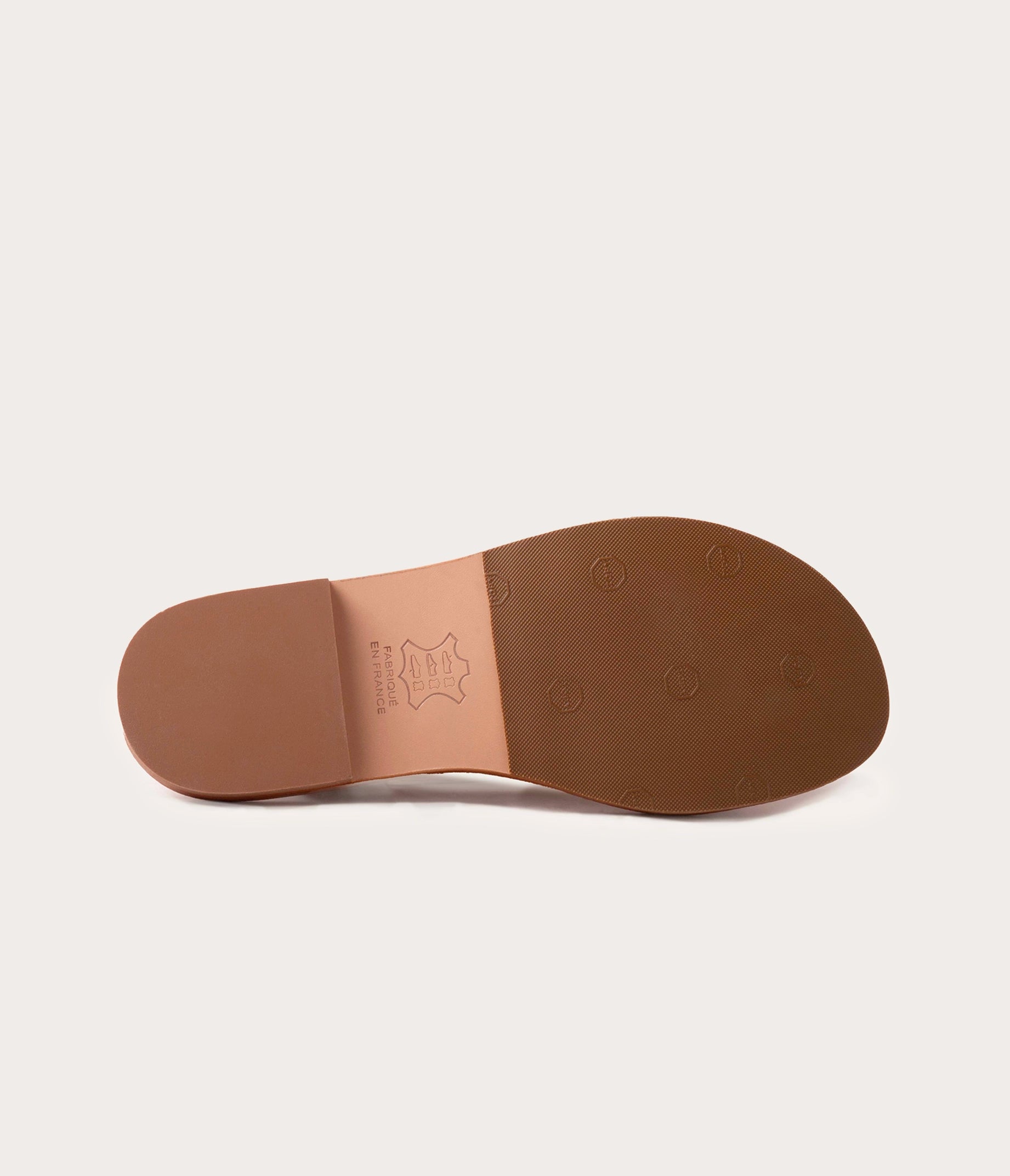
Camel Leather & Skates
Ideal for protecting your leather soles and preventing slipping.
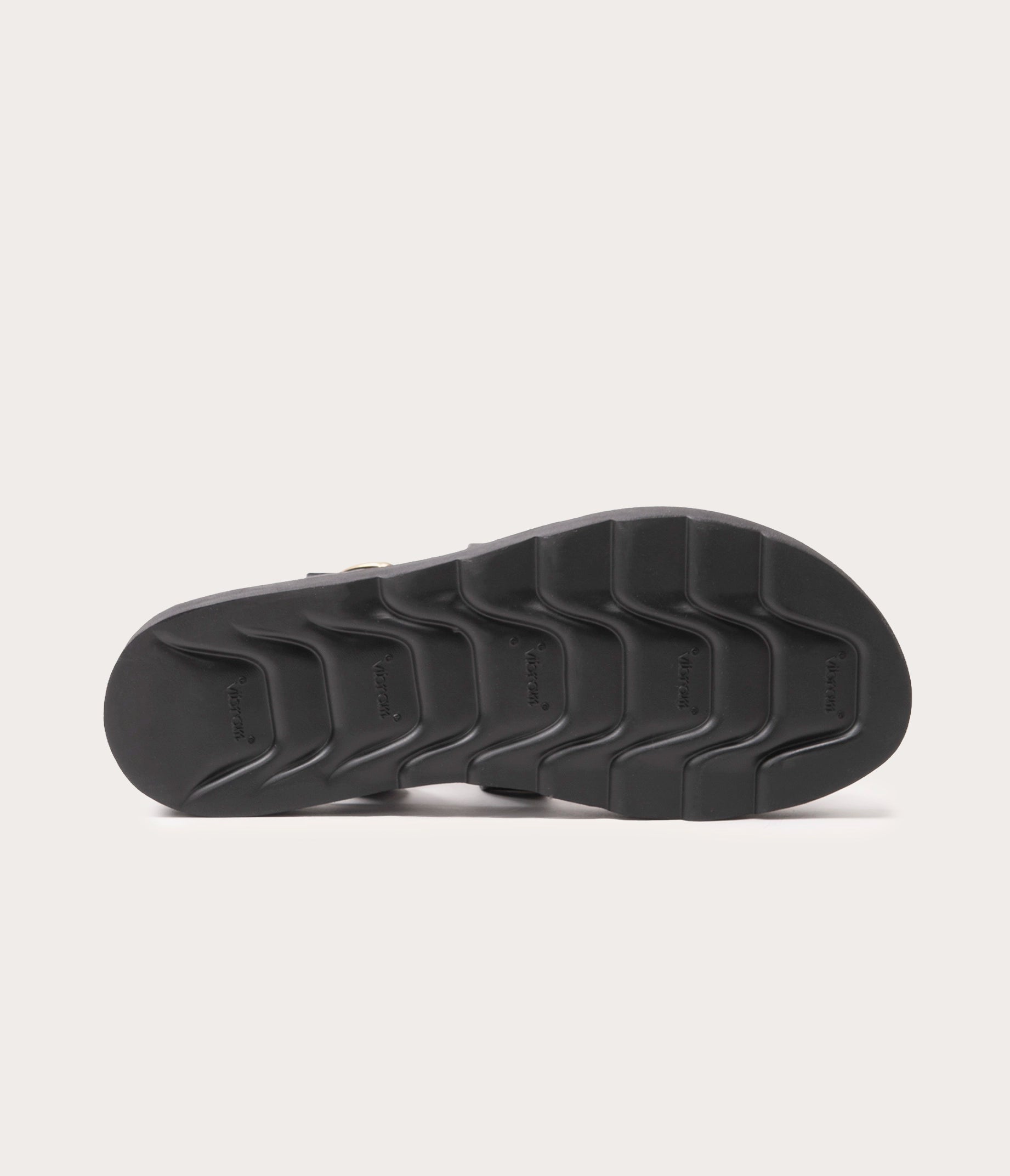
Black wedge
Micro-aerated, they are light and provide good cushioning. What's more, you gain in height and comfort.
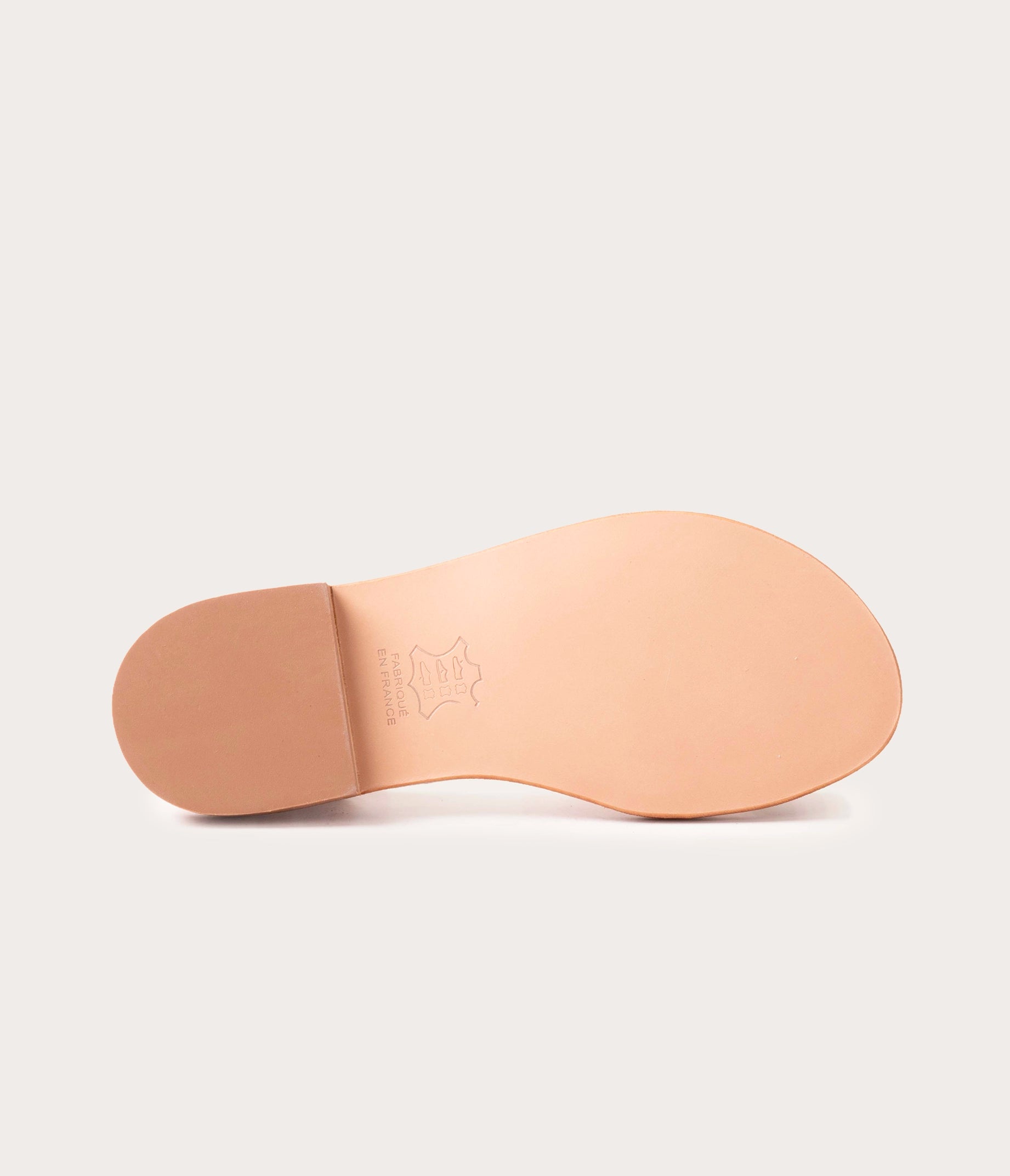
Leather
original sole, to preserve it and prevent slipping, we recommend attaching non-slip pads.
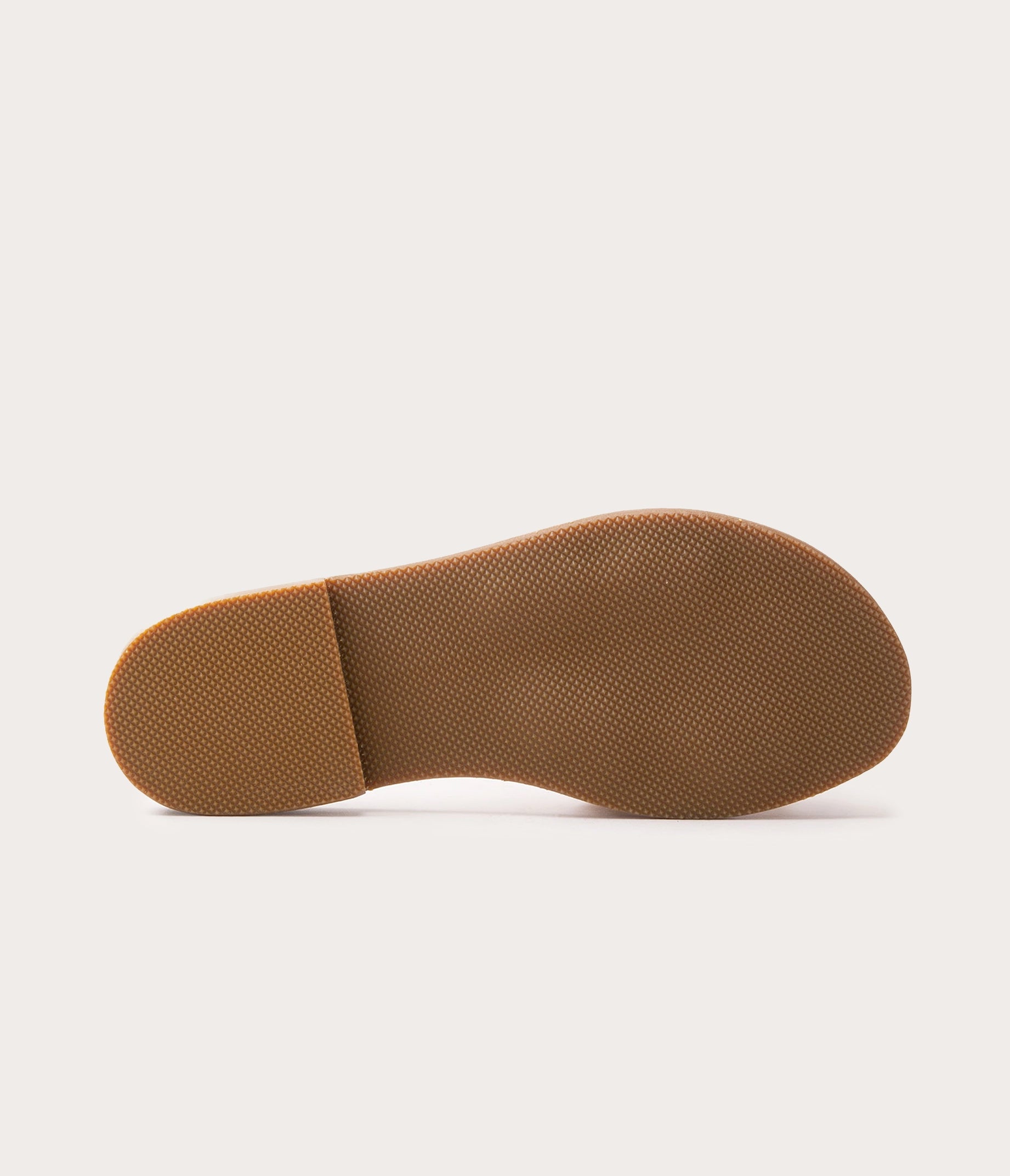
Honey
This thin rubber sole offers great flexibility and good grip.
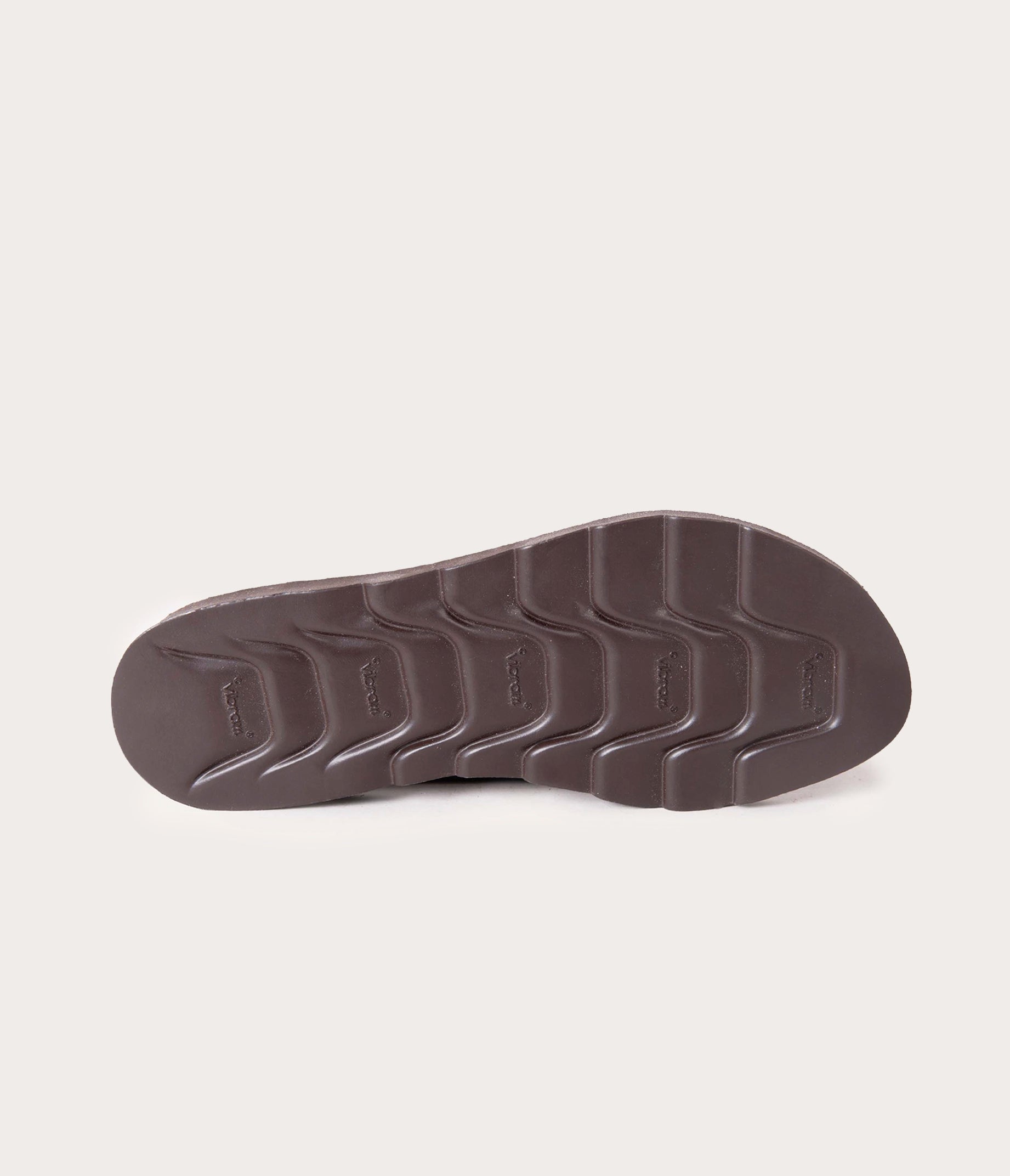
Brown wedge
Micro-aerated, they are lightweight and provide good cushioning.
In addition, you gain height and comfort.
OUR ASSEMBLIES
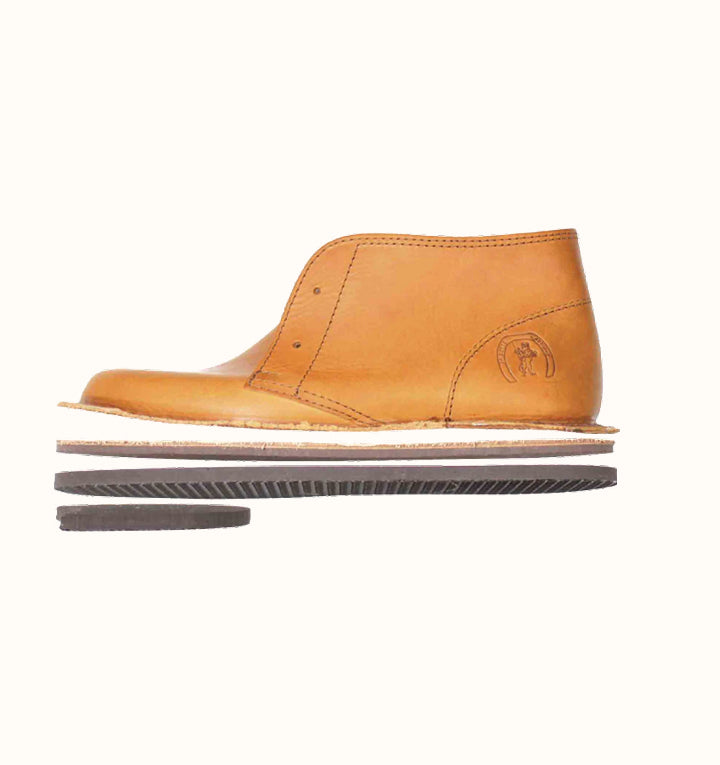
SEWN SANDALS
It's an easy, all-stitched construction with robust durability and great flexibility. This type of construction is characterized by how the upper (the part of the shoe that covers the foot) is lasted onto the form. Indeed, the lasting allowance of the upper is not folded under the insole, as in a standard construction, but rather it is pulled to the side: The upper is held tight against the form and the first part of the sole insert, using clips and glue. The most important step in the process is to sew "with a small stitch". This is a specific stitching method, which connects the top layer and the thick sole insert layers. To ensure comfort, we place a 3 mm microcellular midsole between the lasting leather insole and the outsole. This midsole absorbs shock and guarantees excellent thermal insulation. The upper, the microcellular midsole, and the first lasting leather insole are sewn with a rot-proof thread. Eventually, the outsole can be made of: Airlite, a true foamed rubber, which is non-slip and has high abrasion resistance. This is the traditional sole for this type of construction.
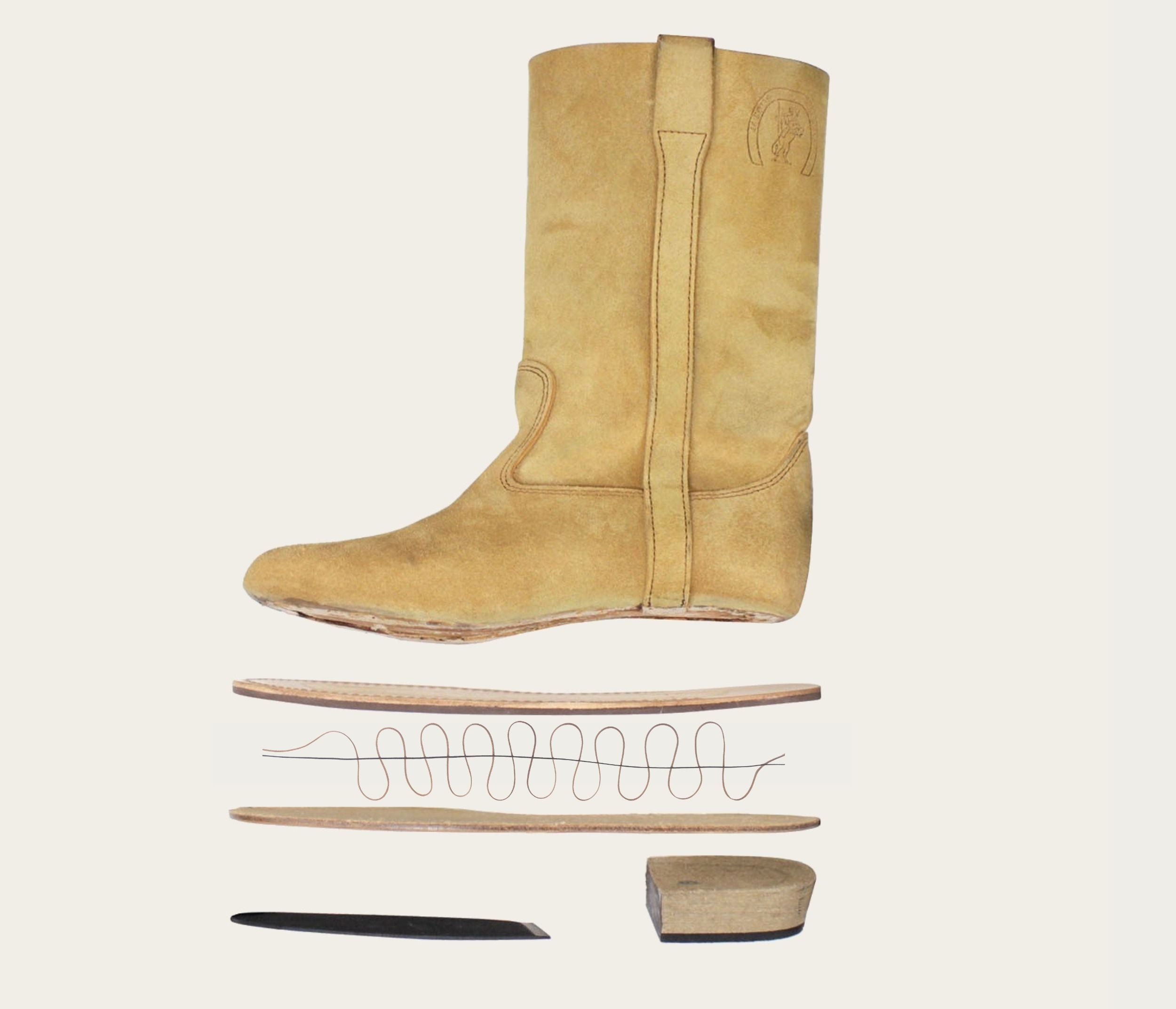
BLAKE STITCHED
The Blake stitched assembly gives the shoes lasting impermeability. With an assembly using the "Blake" stitching technique, which consists of stitching the sole from the inside out, the inner and outer soles will be joined together. This allows the four layers of the sole to remain tightly bound and never loosen. Our Camarguaise boots are renowned for their strength. The insole, sole, and the layers of leather between them are made of naturally tanned full-grain leather. This plant-based tanning process is carried out using chestnut, oak, and rosemary wood. Unlike chrome-based tanning, which is much cheaper and accounts for 99% of leather shoes on the market, 100% vegetable tanning contains no chrome. It should be noted that chrome is an aggravating factor for fungal infections; it can harm the health and hygiene of your feet. The first assembly sole is stapled to the last, also called an articulated and studded pattern. This defines the style of the shoe. The upper of the shoe, which is the upper part covering the shoe, is placed on the last and stretched over it, using a specific machine to assemble the front of the shoe. The mounting part of the upper is then folded under the last and glued to the first assembly sole. Blisters or thicker parts are then abraded to make the underside of the shoe perfectly smooth. This also facilitates the placement of the different layers of the shoe sole. The first sole insert part is composed of 2 thick layers (numbers 4 and 5) which are glued and sewn together. This part is then sewn with the upper and the assembly sole.
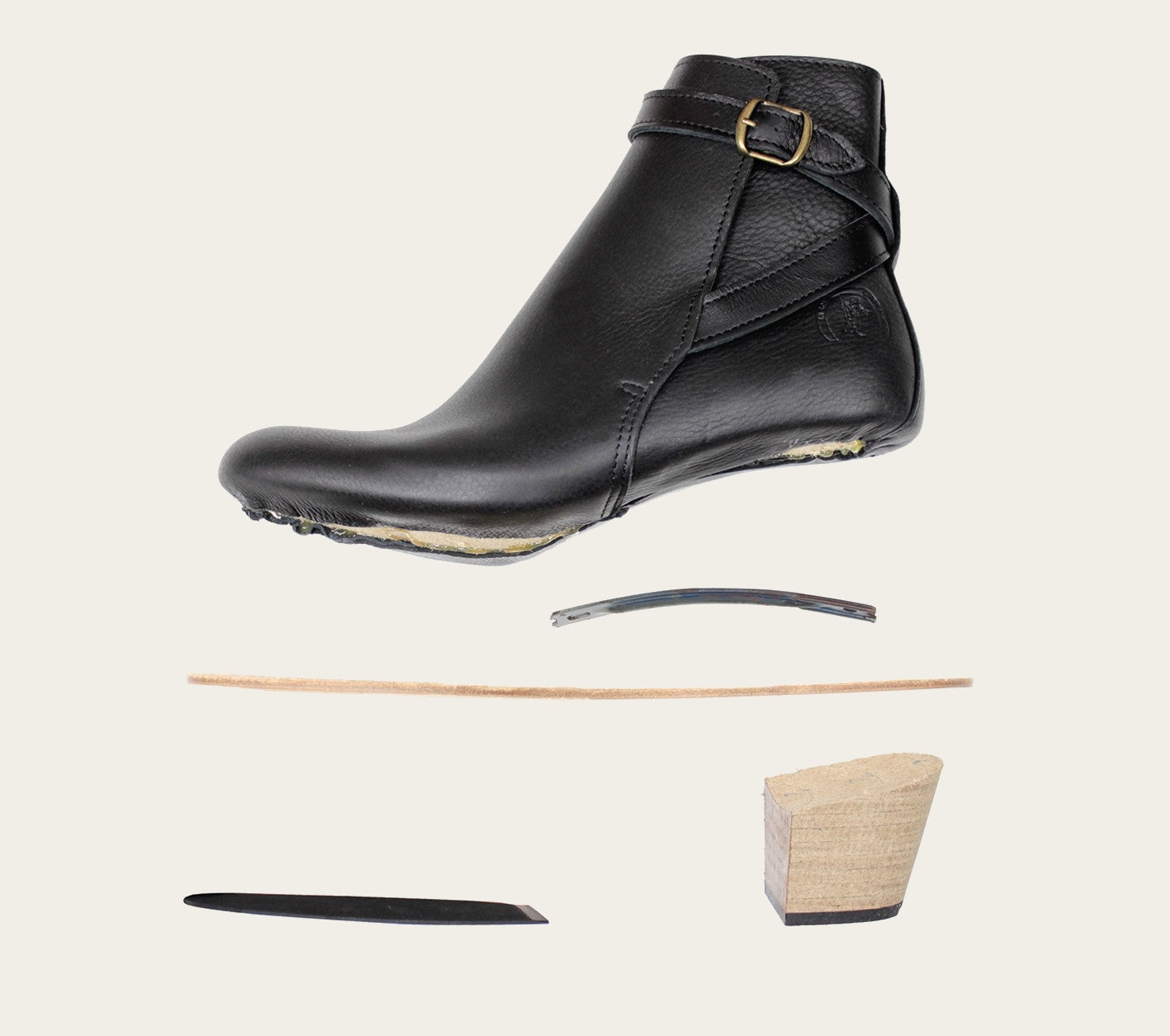
WELDED
This is a simpler construction. The shoe is immediately comfortable, being much lighter and more flexible than with a mixed construction. The glued construction is as strong as the previous types of construction. However, since the sole is thinner with this type of construction, it is important to protect the sole and monitor its wear. This is why we advise you to place rubber sole protectors under your leather soles. This is the same construction as the mixed construction: an articulated and sewn last or pattern gives the shoe its arch and design (round or pointed shape, etc.). The upper is pressed onto the last; the rising part of the upper is then folded and glued onto the leather insole of the first assembly. Blisters or thicker parts that appear on the leather during assembly are then abraded. This improves foot comfort (no unevenness) and optimizes adhesive grip, especially on oily leathers. The outsole is then glued under the leather insole of the first assembly.
MANUFACTURING STEPS
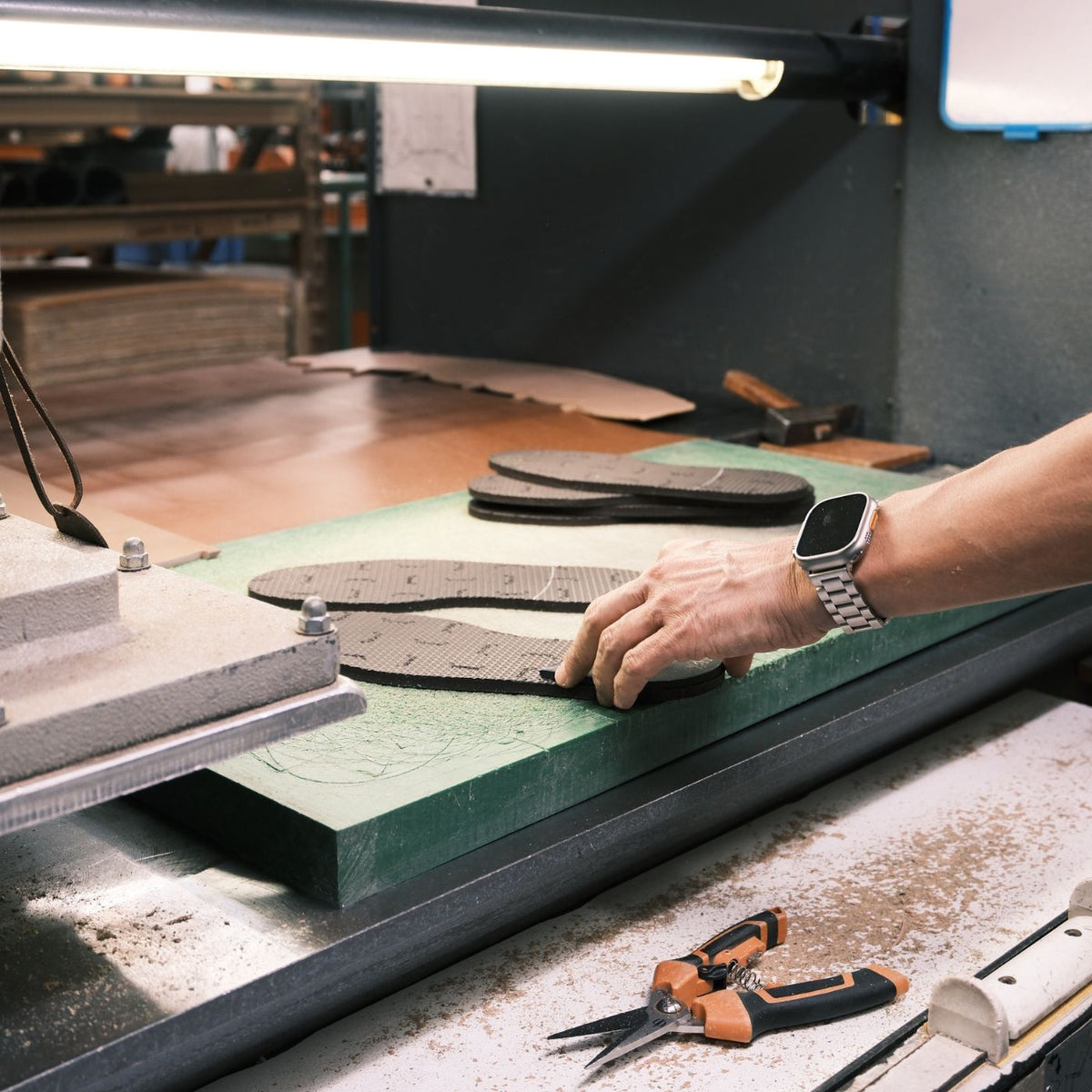
THE CUP
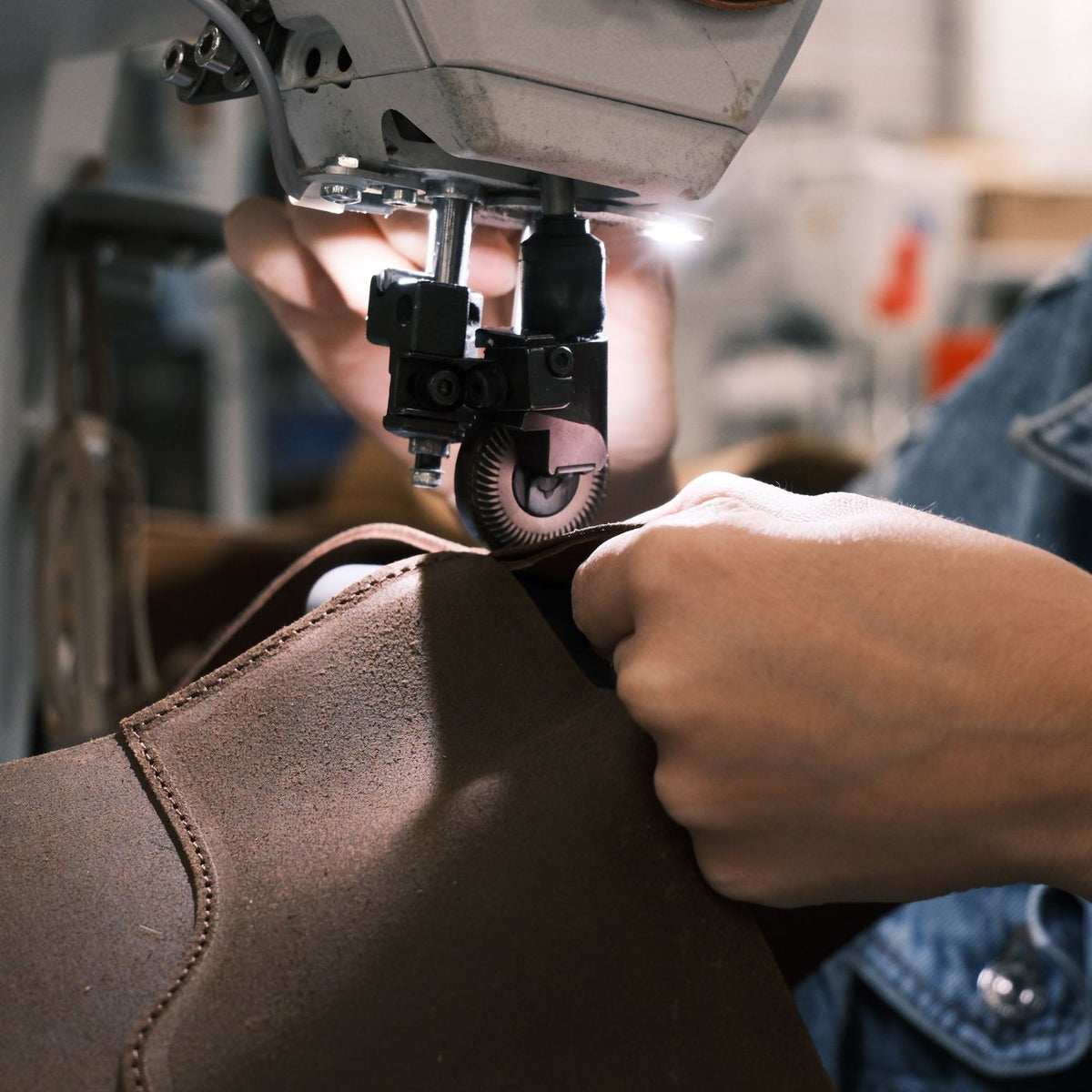
THE STITCHING
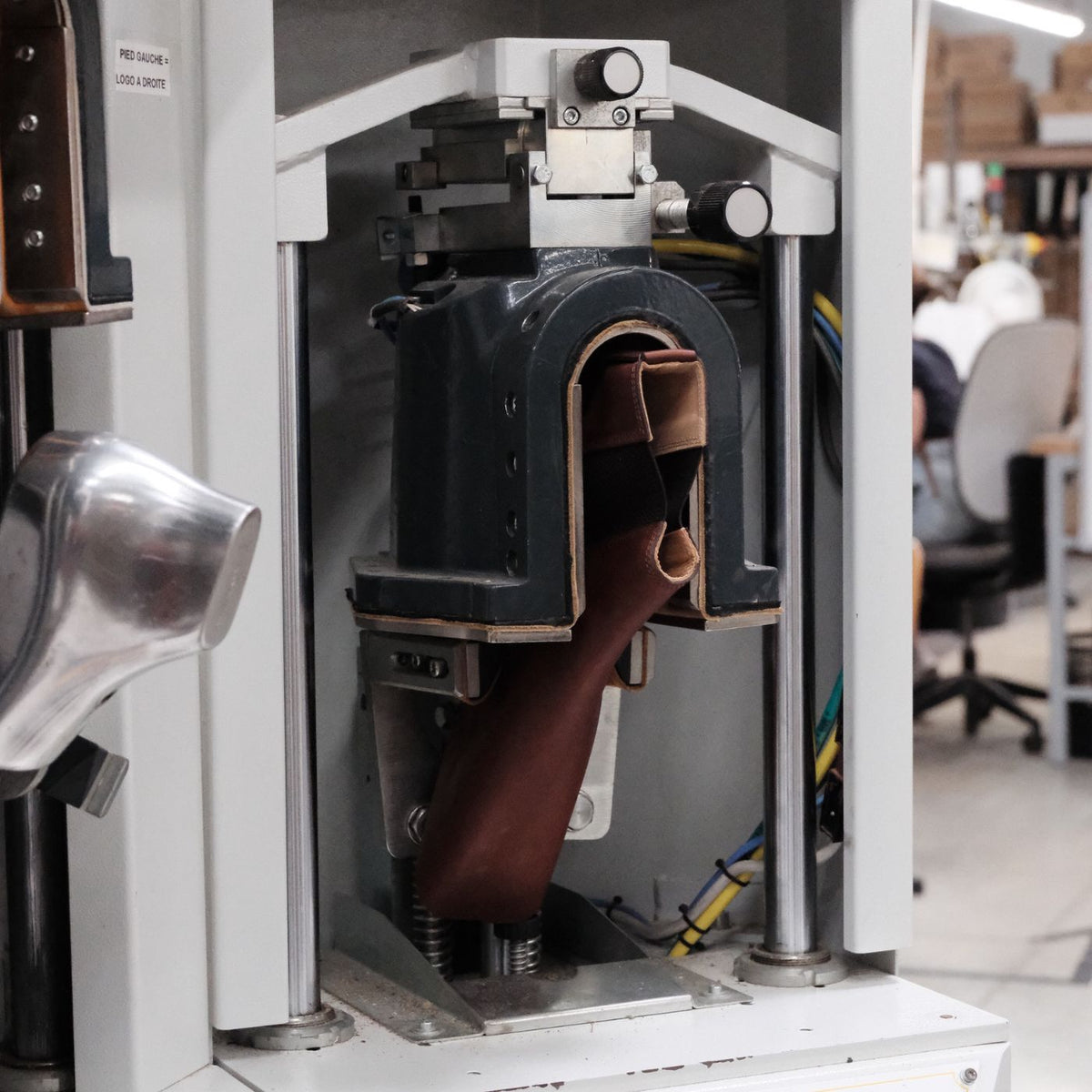
MOUNTING
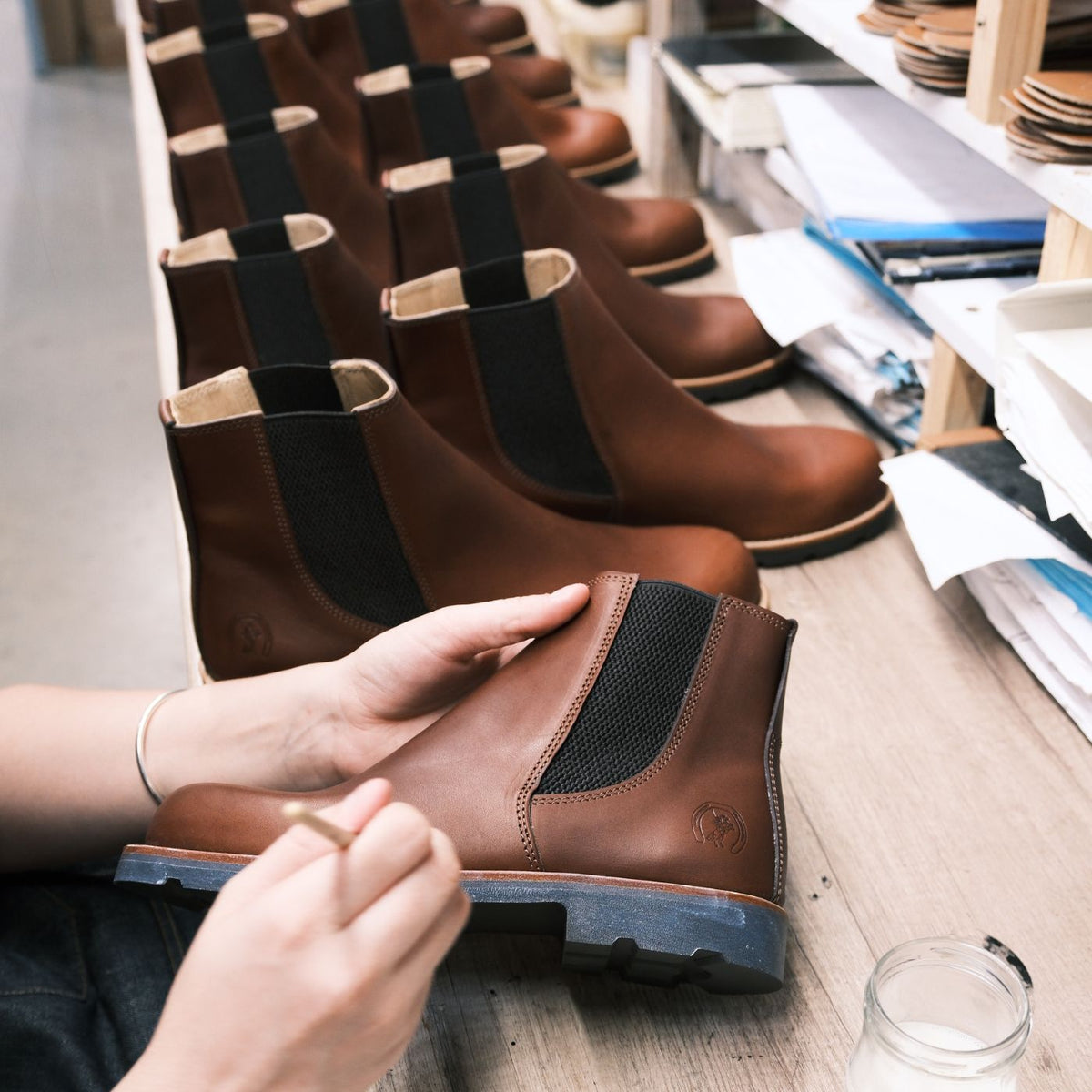
FINISHING
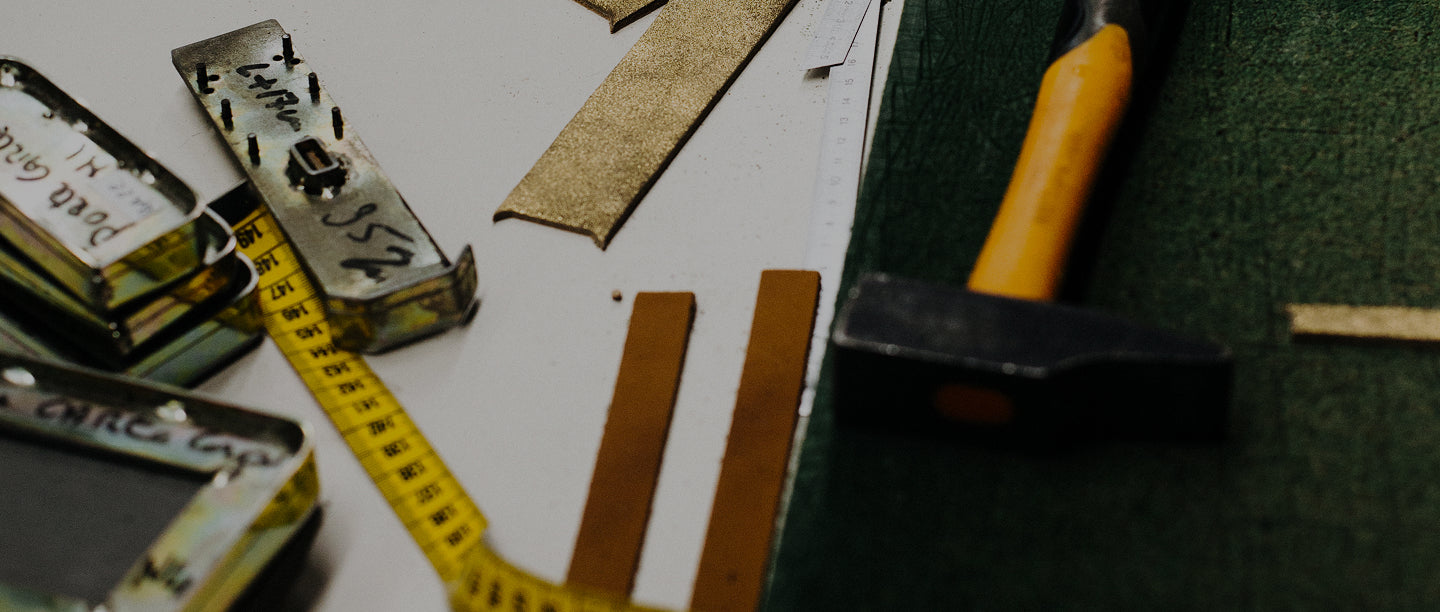
BEHIND THE SCENES
VISIT OUR WORKSHOP

FREE DELIVERY IN MAINLAND FRANCE

100% HANDCRAFTED IN THE CAMARGUE

THOUGHTFUL, MADE-TO-ORDER GARMENTS